What Is Yield Farming
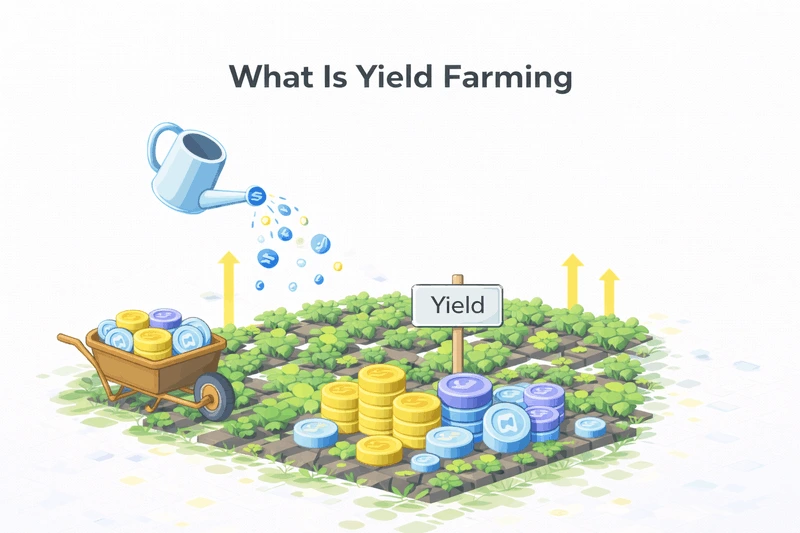
Yield farming is one of the most talked-about concepts in DeFi, and also one of the most misunderstood. Some people describe it as a way to earn “free money,” while others see it as overly complex and risky.
In reality, yield farming is neither magic nor mystery. It is simply a way of using crypto assets more efficiently inside decentralized finance.
The Core Idea Behind Yield Farming
At its heart, yield farming is about putting idle assets to work. In traditional finance, money can sit in an account doing nothing. In DeFi, assets can support protocols and earn rewards in return.
Yield farming is the practice of moving assets between different DeFi opportunities in order to earn better returns over time. It is not a single product. It is a strategy.
How Yield Farming Works
In DeFi, your assets can be involved in multiple activities. You can provide liquidity, lend tokens, support decentralized exchanges, or participate in protocol incentive programs.
Each of these actions can generate rewards. Yield farming means choosing where to place your assets based on how rewards are distributed at a given time. Sometimes that means staying in one protocol for weeks. Sometimes it means moving funds as conditions change. The underlying logic is simple. Capital flows toward incentives.
Where Yield Comes From
Yield in DeFi typically comes from real economic activity and protocol incentives. Common sources include trading fees, borrowing interest, protocol reward tokens, and liquidity incentives.
Protocols offer rewards because they need liquidity to function. Users provide that liquidity and are compensated for it. Over time, supply and demand push yields up or down based on actual usage.
Yield Farming vs Staking
Yield farming is often confused with staking, but they are not the same.
Staking usually means delegating or locking tokens to support a network and earning rewards tied to that network’s staking mechanics. Yield farming is more dynamic. It often involves moving assets between protocols and responding to changing yields and incentives.
Staking is usually simpler and more stable. Yield farming is usually more flexible but also more complex. If you want to understand the difference more clearly, start here: How Staking Works.
Why Yield Farming Can Be Risky
Yield farming is not risk-free. The main risks come from price volatility, smart contract vulnerabilities, changing reward structures, and impermanent loss when providing liquidity.
Higher returns often come with higher risk. Yield farming tends to work best for users who understand what they’re doing and actively monitor their positions. If you’re new to DeFi, it helps to understand risk first: DeFi Risks Explained.
Why Yield Farming Exists at All
Yield farming exists because DeFi is still evolving. Protocols need users and liquidity. Users want incentives. To attract participation, protocols often reward early liquidity providers and users.
As platforms mature, rewards tend to decrease and stabilize. This cycle is common across many DeFi ecosystems.
Yield Farming on Solana
Solana makes yield farming more accessible because transaction fees are low, confirmations are fast, and throughput is high. This allows users to adjust strategies without spending large amounts on fees.
That’s one reason many DeFi and staking platforms, including JPool, are built on Solana. Lower friction makes active participation more practical.
Final Thoughts
Yield farming is not about chasing the highest number on the screen. It is about understanding how liquidity and incentives move through DeFi and using that knowledge wisely.
When done carefully, it can enhance returns. When done blindly, it can increase risk. As with everything in DeFi, education matters more than speed.
FAQ
Is yield farming the same as staking?
No. Staking supports a blockchain network and earns staking rewards. Yield farming is a strategy that moves assets across DeFi opportunities to earn fees and incentives.
Where do high yields usually come from?
They often come from incentive tokens and early-stage liquidity programs. These yields can change quickly and may involve additional risk.
What is the most common beginner mistake in yield farming?
Chasing high APR without understanding the downside. Always consider volatility, impermanent loss, and smart contract risk before depositing.
👉 Next recommended articles: