How to Evaluate the Best Solana Liquid Staking Token in 2026: A Security & Yield Framework
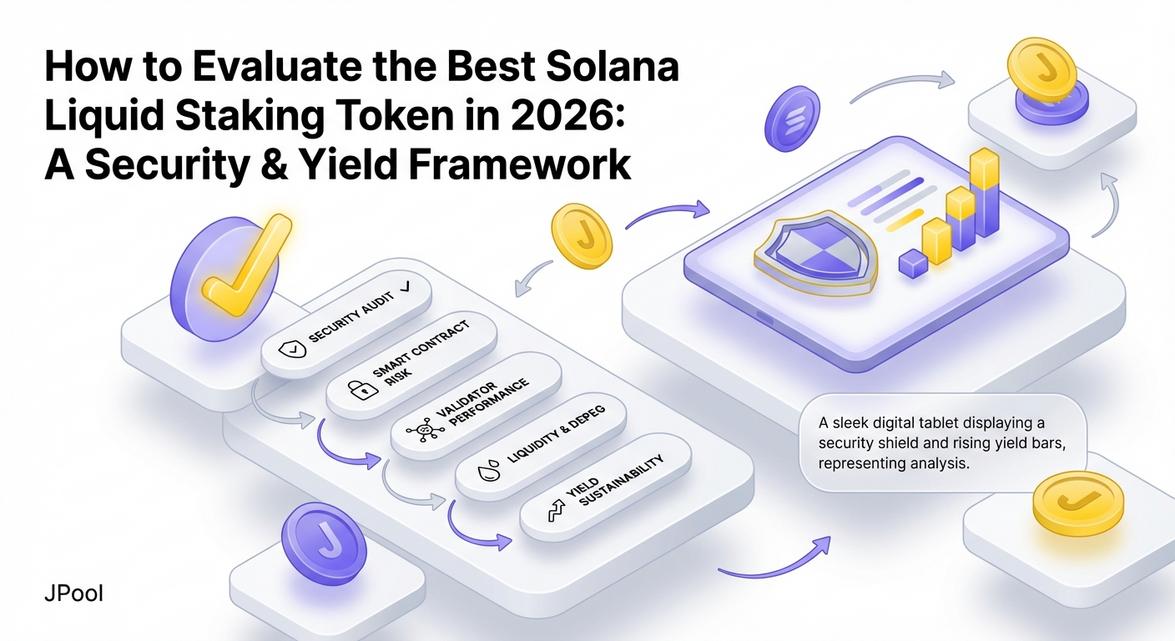
By 2026, the Solana ecosystem has evolved from a high-speed experimental network into a cornerstone of institutional finance. With this maturity comes a crowded marketplace of staking solutions. For investors holding SOL, the question is no longer if they should stake, but how to maximize capital efficiency while minimizing risk.
Table of Contents
Finding the best Solana liquid staking token 2026 has to offer requires looking beyond flashy marketing and high headline numbers. It demands a rigorous evaluation of the underlying technology, the delegation strategy, and the legal framework supporting the protocol.
This guide provides a neutral, criteria-based framework to help you navigate the landscape and identify safe liquid staking Solana options that align with institutional-grade standards.
1. The Architectural Foundation: Custom vs. Standardized
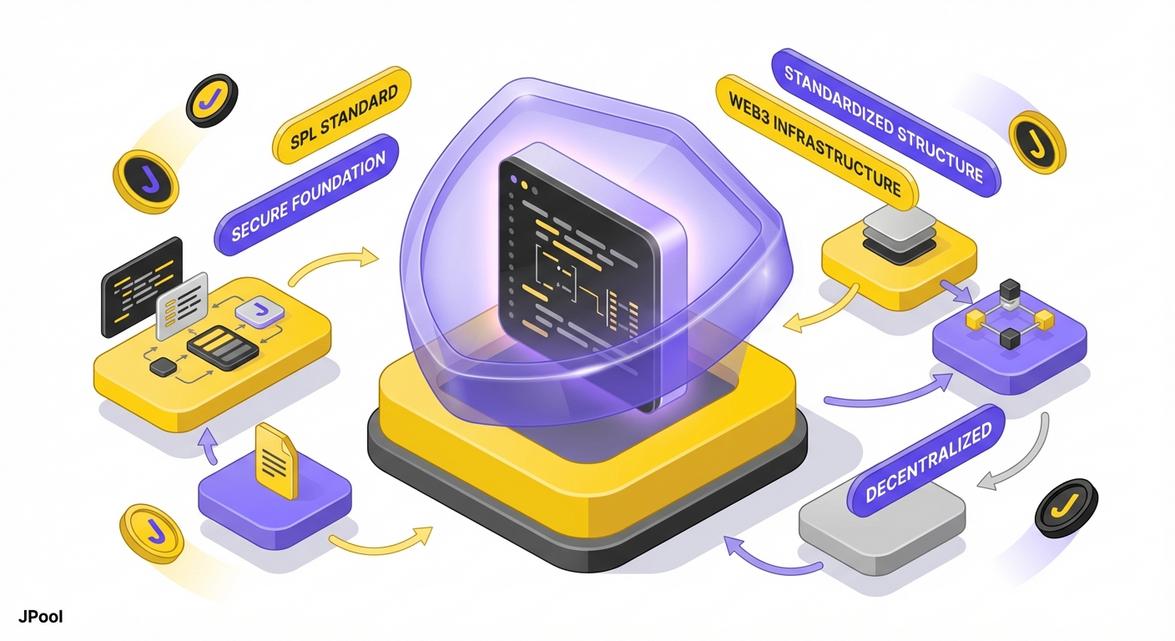
The first and most critical filter in your evaluation framework should be the technical architecture of the protocol. In the world of DeFi, code is law, and the complexity of that code directly correlates with risk.
The SPL Stake Pool Standard Benefits
When evaluating a liquid staking token (LST), check if the protocol uses custom, proprietary smart contracts or the official SPL Stake Pool standard.
- Proprietary Contracts: These are custom-built by the project team. While they allow for unique features, they introduce a larger attack surface. If the team makes a coding error, user funds could be vulnerable.
- SPL Standard: This is the official reference implementation developed and audited by Solana Labs. Protocols built on this standard—like JPool—inherit the security of the core Solana codebase.
Choosing a protocol built on the SPL standard offers significant peace of mind. It ensures the protocol is non-custodial by design; the protocol managers can direct stake to validators but never have the technical ability to withdraw or freeze user funds. This “security inheritance” is a massive advantage for risk-averse investors.
2. Yield Mechanics: Analyzing the Source of Returns
Not all Annual Percentage Yields (APYs) are created equal. When you see a high return, you must ask: How is this being generated? A sustainable yield comes from optimizing network rewards, not from subsidizing users with inflationary governance tokens.
Smart Delegation & MEV Capture
The best protocols utilize an algorithmic Smart Delegation Strategy. Instead of manually picking validators, they use off-chain bots to rebalance the pool every epoch. Look for a protocol that:
- Targets High Performance: Automatically routes capital to validators with high uptime and APY performance (e.g., top 500 ranked nodes).
- Captures MEV: Maximal Extractable Value (MEV) consists of “tips” paid to validators for processing transactions. Superior LSTs ensure that validators charge a specific commission on MEV (often around 10%) to subsidize their operations, allowing them to offer 0% commission on the staking pool itself. This mathematically favors the LST holder.
- Prunes Underperformers: The system should actively monitor the “health score” of validators and instantly withdraw stake from those that underperform or maliciously raise fees.
3. Assessing Safety: Mitigating Liquid Staking Risks
While liquid staking unlocks liquidity, it introduces specific liquid staking risks, primarily smart contract risk (addressed above) and centralization risk.
Validator Diversity & Decentralization
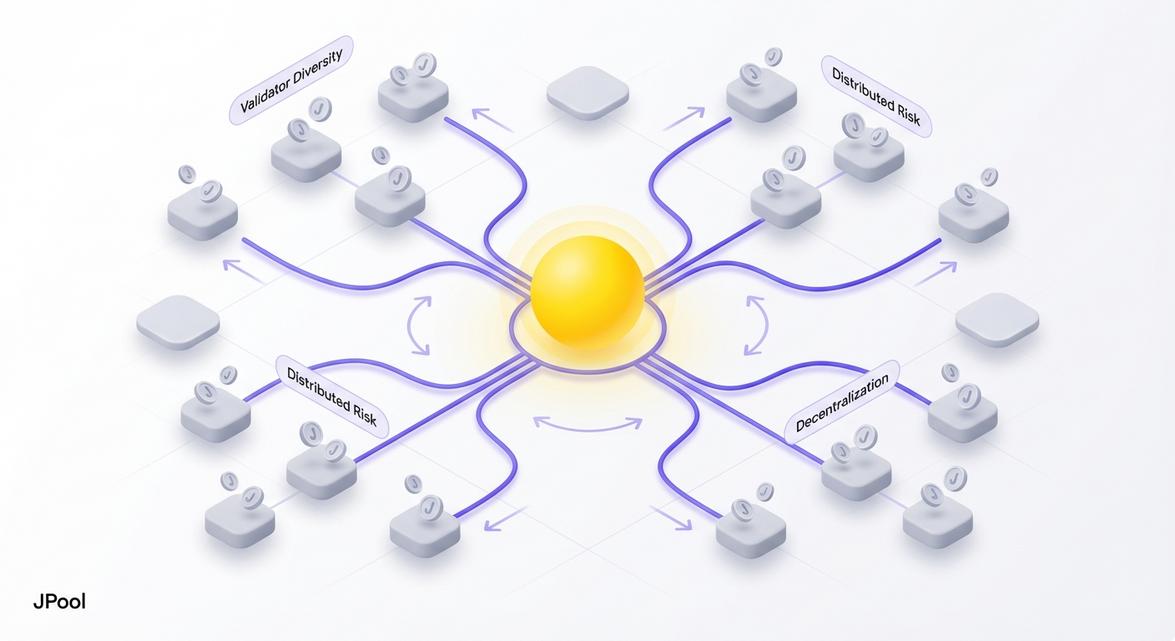
A protocol is only as safe as the validators securing it. If an LST concentrates all its SOL into 5 or 10 large validators, a failure in one of those nodes could lead to slashing (loss of funds).
To find a safe liquid staking Solana option, look for “massive diversification.” A robust protocol should spread its stake across hundreds of validators (JPool, for example, utilizes 204 distinct validators). This dilution ensures that even if one node is penalized, the impact on the overall pool is negligible (often <0.5%).
Censorship Resistance & Infrastructure
Deep diligence involves asking where the validators are physically located. Does the delegation algorithm penalize concentration in single data centers (like AWS) or specific jurisdictions? A “boutique” protocol focused on decentralization will actively avoid clustering to protect against infrastructure outages or regulatory attacks.
Jurisdictional Clarity
In 2026, anonymity is a liability. Institutional-grade safety requires regulatory clarity. Protocols headquartered in recognized “crypto valley” jurisdictions, such as Switzerland, offer a layer of legal recourse and operational standards often missing in anonymous DeFi projects. This transparency signals a long-term commitment to compliance and user protection.
4. Capital Efficiency & DeFi Utility
The primary purpose of a liquid staking token is usability. A high yield is useless if the token cannot be used elsewhere in the ecosystem.
Tax Efficiency
Evaluate the nature of the token. Is it a “rebasing” token (where your balance increases daily) or a “value-accruing” token (where the price of the token rises relative to SOL)?
Value-accruing tokens (like JSOL) are generally preferred for tax efficiency. In many jurisdictions, the yield is treated as capital gains realized only upon sale, rather than daily taxable income.
Composability
Finally, the token must be integrated into the wider DeFi economy. Can you use it as collateral to borrow USDC? Can you pair it in a liquidity pool?
The true power of liquid staking is unlocked when you stack yields. For a deep dive on how to leverage these strategies effectively, read our guide on the Best Ways to Use JSOL in DeFi: Lending, Liquidity Provision, Collateral & Yield Stacking.
Summary: The 2026 Evaluation Checklist
When searching for the best Solana liquid staking token 2026, use this checklist to cut through the noise:
- Architecture: Is it built on the secure, audited SPL Stake Pool standard?
- Yield: Does it use algorithmic delegation and MEV capture to maximize returns (~6% APY)?
- Safety: Is stake diversified across 200+ validators to minimize slashing risk?
- Transparency: Is the team public, and is the project domiciled in a reputable jurisdiction like Switzerland?
- Utility: Is the token value-accruing and widely accepted in Solana DeFi?
By adhering to this framework, you move beyond simple APY chasing and toward a strategy that balances high performance with institutional-grade security.